
What Vitamin C Does for Skin - and Why Most People Are Using It Wrong
 Jessica Reed
·
·
21 views
Jessica Reed
·
·
21 views
Vitamin C is one of the most evidence-backed skincare ingredients available. It's also one of the most consistently misunderstood - the benefits are real but they depend significantly on formulation stability and application method that most product descriptions don't adequately explain.
What Vitamin C Actually Does
Antioxidant protection. Free radicals - produced by UV, pollution, and normal metabolism - damage skin cell DNA and collagen. Vitamin C neutralizes these before they cause damage. Applied before SPF, it provides additional protection beyond what sunscreen delivers on its own.
Collagen synthesis support. Vitamin C is chemically required for collagen production. The skin synthesizes collagen continuously - vitamin C in the skin supports this process. The effect on firmness and texture is real but accumulates over months rather than appearing in weeks.
Brightening and hyperpigmentation reduction. Vitamin C inhibits the enzyme (tyrosinase) that produces melanin. Over consistent use, it reduces the appearance of dark spots, post-acne marks, and uneven tone. This takes the longest of the three mechanisms - typically three to six months of consistent application to see meaningful results.
Why Formulation Matters More Than Concentration
Pure vitamin C (L-ascorbic acid) oxidizes rapidly when exposed to air and light. An oxidized vitamin C serum provides antioxidant benefit to itself rather than to your skin - you're applying a product that's already neutralized. The yellow-to-orange discolouration of an older serum is oxidation. Once it looks like orange juice, it's done its antioxidant work in the bottle, not on your face.
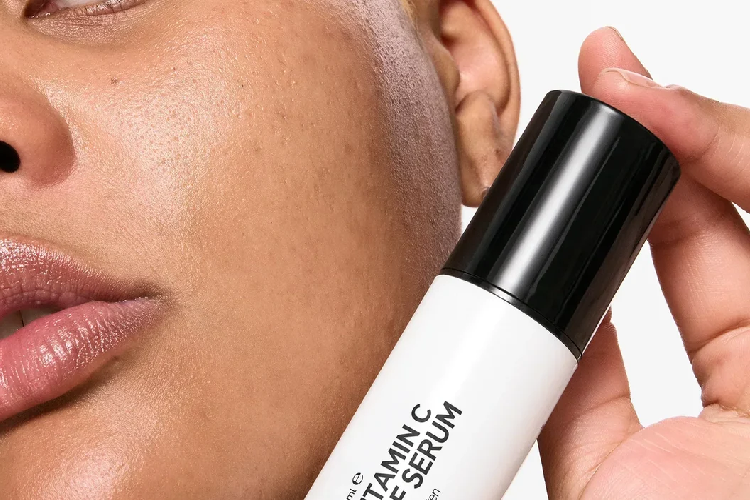
What this means practically: dark glass packaging, airtight pump dispensers, stored away from light. Tubes are better than droppers for limiting air exposure. Vitamin C derivatives (ascorbyl glucoside, tetrahexyldecyl ascorbate) are more stable but require conversion in skin - they work more slowly but more reliably if storage isn't controlled.
The Application Mistake
Apply on bare skin before other products. Applying vitamin C on top of moisturiser creates a barrier between the vitamin C and the skin surface - it can't penetrate effectively. Vitamin C → other water-based products → moisturiser → SPF is the sequence that allows the ingredient to work.
Written by
Jessica Reed
You might also like
 Tech
Tech
Eight Sleep Review - Is This Smart Sleep System Actually Worth It?
Eight Sleep makes AI-powered smart beds that cool, heat, and track your sleep automatically. Here's an honest look at the brand and whether it delivers.
Aug 18, 2026
 Tech
Tech
Greenlight Kids Debit Card Review - Does It Actually Teach Financial Literacy?
Honest Greenlight review - app quality, parent controls, investing features, and whether the $5.99/month subscription genuinely teaches children how to manage money.
Aug 11, 2026
 Tech
Tech
Yoto Player Review - Screen-Free Audio for Kids That Actually Works
Honest Yoto Player review - audio quality, card library, parental controls, durability, and whether screen-free kids audio is worth buying over cheaper Bluetooth speaker alternatives.
Aug 11, 2026
0 Comments
No comments yet - be the first to share your thoughts.