
How to Dress for Your Body Type - Without Following Rules That Were Made Up in 1990
 Jessica Reed
·
·
21 views
Jessica Reed
·
·
21 views
Body type dressing advice hasn't evolved much since fashion magazines in the 1990s decided that women's bodies fell into four fruit categories and assigned them corresponding garment restrictions. The advice was well-intentioned, partially useful, and built on an assumption - that the goal of dressing is to look like a specific standardized body shape - that most people have now rightly rejected.
The more useful framework is proportion.
What Proportion Actually Means
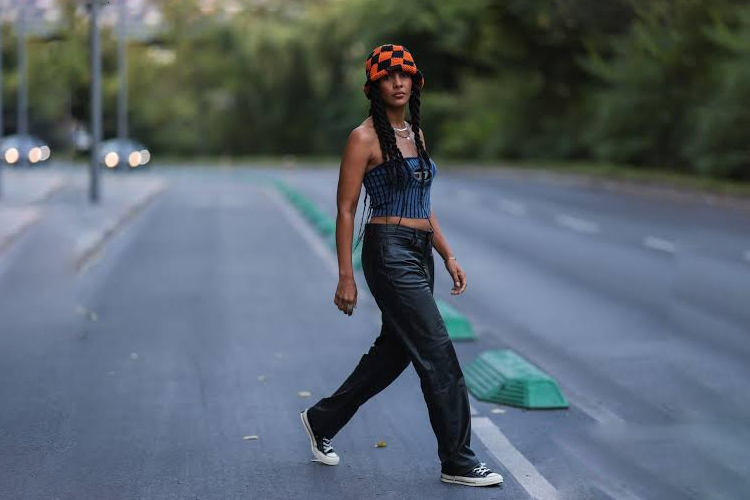
Every outfit creates a visual silhouette - the overall shape that the eye reads. You can change this silhouette deliberately by understanding what individual garment choices do to the overall picture.
Where the waistline sits changes everything. High-waisted clothing - trousers, skirts, dresses that sit at or above the natural waist - creates the visual impression of a longer leg. This works regardless of actual height. Low-rise does the opposite.
Volume above balances volume below, and vice versa. An oversized top with slim trousers creates a balanced silhouette. A full skirt with a fitted top creates balance the other direction. Both work. The issue arises when you have significant volume at both ends without deliberate intent - two full elements compete visually.
Monochrome creates length. A single colour from head to toe - not necessarily the same shade, but the same tone family - makes the eye travel the full length of the body rather than stopping at a colour break. This is why the "all-black" outfit is so consistent across people who want to look put together with minimal effort.
The Three Questions Worth Asking
Instead of "what's my body type," ask:
- Do I want this outfit to define or soften my waist?
- Do I want height in the leg or natural proportions?
- Is the volume where I want it in this outfit?
These questions produce dressing decisions that work for your actual body and your actual preferences - which are different for every person regardless of which fruit they might be assigned.
The Rule That Actually Holds
The outfit you feel right in is always more flattering than the outfit that follows the rules for your shape but makes you feel uncertain. Confidence in what you're wearing changes how you wear it in ways that no proportion principle can override.
Dress for how you want to feel, then apply the proportion principles to get there more efficiently. Never apply the proportion principles because someone else decided they should apply to your shape.
Written by
Jessica Reed
You might also like
 Fashion
The Best Sun Protection Clothing Brands for Women - Ranked by Actual UPF Performance
The best sun protection clothing brands for women - ranked by UPF rating reliability, style design, and whether the protection.
Aug 13, 2026
 Fashion
The 10 Most Comfortable Women's Shoes for All-Day Wear - Tested Beyond Hour Two
The 10 most comfortable women's shoes for all-day wear - ranked by extended-wear performance, not just the first hour. From Vessi.
Aug 13, 2026
 Fashion
Best Vintage-Inspired Dresses That Actually Fit Real Women - Not Just the Model
The best vintage-inspired dresses that fit real women - covering ModCloth, Unique Vintage, and what to look for in fit.
Aug 13, 2026
0 Comments
No comments yet - be the first to share your thoughts.